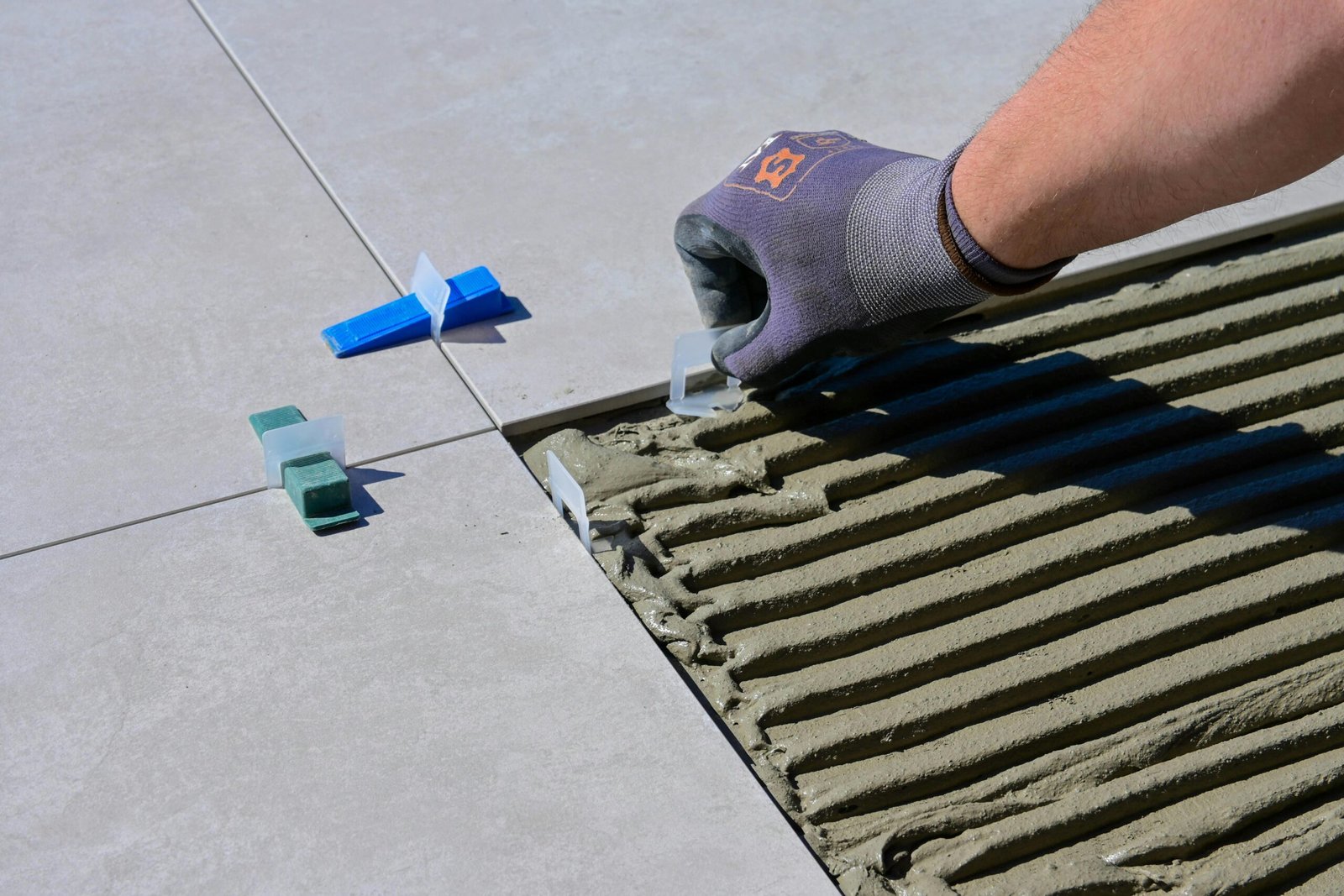
Flooring installation costs can vary widely, even for homes with similar square footage. One homeowner may receive a relatively affordable estimate, while another may see a much higher price for what appears to be the same project. These differences are not random—they are driven by specific factors that affect materials, labor, preparation, and overall installation complexity.
Understanding what affects flooring installation costs helps homeowners budget more accurately and compare estimates with confidence. This guide explains the 10 most important pricing factors that influence flooring costs and why installation prices can differ from one project to another.
1. Type of Flooring Material
The flooring material itself is the biggest cost driver.
Different materials require different installation methods, tools, and labor time. For example:
- Carpet installs quickly and costs less
- Vinyl and laminate fall in the mid-range
- Hardwood and tile require more labor and skill
Material choice alone can shift total flooring costs by thousands of dollars.
2. Total Square Footage
Flooring is typically priced per square foot, so larger spaces naturally cost more overall. However, price per square foot may decrease slightly for larger projects due to labor efficiency.
Smaller projects may:
- Have higher per-square-foot pricing
- Include minimum labor charges
- Require the same setup time as larger projects
Total square footage plays a major role in the final estimate.
3. Subfloor Condition
A level, stable subfloor is essential for proper flooring installation.
Additional costs may apply if the subfloor requires:
- Leveling
- Repairs
- Moisture mitigation
- Structural reinforcement
Subfloor preparation can add $0.50 to $3 per square foot, depending on severity and material requirements.
4. Removal of Existing Flooring
Replacing old flooring usually costs more than installing flooring in new construction.
Removal costs vary based on material:
- Carpet: lower removal cost
- Tile or hardwood: higher removal and disposal cost
- Adhesive residue or underlayment removal: additional labor
Removal and disposal can add $1–$3 per square foot to the total project cost.
5. Room Layout and Complexity
Simple, open rooms are easier and faster to install than complex layouts.
Factors that increase installation cost include:
- Irregular room shapes
- Multiple transitions between rooms
- Stairs
- Tight corners or closets
- Built-in cabinetry
More cuts and detailed work mean higher labor time and cost.
6. Installation Method and Pattern
The way flooring is installed affects both labor time and material usage.
Examples include:
- Straight-lay patterns (most affordable)
- Diagonal layouts
- Herringbone or custom patterns
- Glue-down vs floating installations
Decorative or complex patterns can increase flooring installation costs by 15%–30% or more.
7. Labor Rates and Location
Labor costs vary significantly by region.
Factors influencing labor rates include:
- Local cost of living
- Contractor availability
- Regional demand for construction services
- Seasonal workload
Urban and high-demand areas typically have higher labor costs than smaller cities or rural areas.
8. Moisture and Environmental Conditions
Rooms exposed to moisture often require additional materials and preparation.
Examples include:
- Bathrooms
- Kitchens
- Basements
- Entryways
Moisture barriers, underlayment, or specialized flooring materials can increase installation costs.
9. Permits, Building Rules, and Property Type
Some flooring projects require permits or approvals, particularly in:
- Condos
- Apartments
- Multi-unit buildings
- Commercial properties
Additional requirements such as soundproof underlayment or HOA approvals can add time and cost to the project.
10. Timing and Seasonal Demand
The time of year can affect flooring installation pricing.
Peak seasons often include:
- Spring and summer home renovation periods
- Pre-holiday renovation rushes
Scheduling installation during slower seasons may provide:
- Better contractor availability
- More flexible scheduling
- Potential labor savings
Timing can influence both cost and project timeline.
How These Factors Combine to Affect Total Flooring Cost
Flooring installation costs are rarely influenced by a single factor. Instead, pricing reflects multiple elements working together.
For example:
- A large home
- With hardwood flooring
- Requiring subfloor leveling
- Installed in a high-cost metro area
- During peak renovation season
All of these factors combined naturally result in higher installation costs than a smaller, simpler project.
Why Flooring Estimates Can Vary Between Contractors
Homeowners often receive different estimates for the same flooring project. Variations usually reflect:
- Differences in material recommendations
- Labor approach and crew size
- Scope of preparation work included
- Warranty or service offerings
Comparing estimates carefully helps homeowners understand what is included and avoid unexpected charges.
Tips for Managing Flooring Installation Costs

While not all cost factors can be controlled, homeowners can take steps to manage expenses.
Helpful strategies include:
- Choosing materials appropriate for each room
- Avoiding overly complex patterns
- Preparing rooms before installation
- Combining multiple rooms into one project
- Getting multiple written estimates
Planning ahead helps balance cost, durability, and long-term value.
Long-Term Value vs Upfront Cost
Cheapest upfront flooring is not always the most cost-effective over time.
Some materials:
- Cost less initially but need replacement sooner
- Require more maintenance
- Perform poorly in certain environments
Evaluating long-term durability and maintenance needs helps homeowners make better financial decisions.
Final Thoughts on Flooring Installation Cost Factors
Flooring installation costs are influenced by material choice, square footage, subfloor condition, labor rates, room layout, and timing. Understanding these 10 key pricing factors allows homeowners to interpret estimates accurately and plan their projects with confidence.
By focusing on both upfront costs and long-term value, homeowners can choose flooring solutions that meet their needs, budget, and lifestyle—ensuring an installation that delivers lasting performance and satisfaction.