Flooring installation costs can vary significantly depending on the material chosen. While two rooms may be the same size, the price to install carpet versus tile or hardwood can be very different due to material pricing, labor requirements, and installation complexity. Because flooring is a long-term investment, understanding these cost differences helps homeowners choose materials that align with both their budget and lifestyle.
This guide breaks down flooring installation costs by material, focusing on carpet, tile, hardwood, and vinyl. By comparing typical price ranges, installation factors, and long-term considerations, homeowners can better understand which flooring option makes the most sense for their home.
Average Flooring Installation Costs by Material
On a national level, installed flooring costs generally fall within the following ranges:
- Carpet: $3–$6 per sq ft
- Vinyl (LVP/LVT): $4–$8 per sq ft
- Hardwood: $6–$15 per sq ft
- Tile: $7–$15 per sq ft
These costs usually include materials and standard labor but may increase based on subfloor condition, layout complexity, or removal of existing flooring.
Carpet Flooring Installation Costs
Carpet is often one of the most affordable flooring options and remains popular in bedrooms and living areas.
Average Carpet Costs
- Material cost: $1–$4 per sq ft
- Installation labor: $1–$2 per sq ft
- Total installed cost: $3–$6 per sq ft
Carpet pricing varies based on fiber type, padding quality, and pile height.
What Affects Carpet Installation Cost
- Type of carpet fiber (nylon, polyester, wool)
- Carpet padding thickness and quality
- Room shape and number of seams
- Removal of old carpet
Carpet installation is generally faster and less labor-intensive than hard surface flooring.
Vinyl Flooring Installation Costs
Vinyl flooring, especially luxury vinyl plank (LVP), has grown in popularity due to its durability and water resistance.
Average Vinyl Flooring Costs
- Material cost: $2–$5 per sq ft
- Installation labor: $2–$3 per sq ft
- Total installed cost: $4–$8 per sq ft
Vinyl flooring is available in click-lock, glue-down, and loose-lay formats, which can influence labor costs.
What Affects Vinyl Installation Cost
- Installation method (floating vs glue-down)
- Subfloor condition
- Room size and layout
- Pattern alignment requirements
Vinyl is commonly chosen for kitchens, bathrooms, and basements due to its moisture resistance.
Hardwood Flooring Installation Costs
Hardwood flooring is considered a premium option and typically has the highest installation costs.
Average Hardwood Flooring Costs
- Material cost: $4–$10 per sq ft
- Installation labor: $2–$5 per sq ft
- Total installed cost: $6–$15 per sq ft
Costs depend on wood species, plank width, finish type, and installation method.
What Affects Hardwood Installation Cost
- Solid vs engineered hardwood
- Nail-down, glue-down, or floating installation
- Subfloor preparation
- Finishing or staining requirements
Hardwood installation takes longer than other flooring types, which contributes to higher labor costs.
Tile Flooring Installation Costs
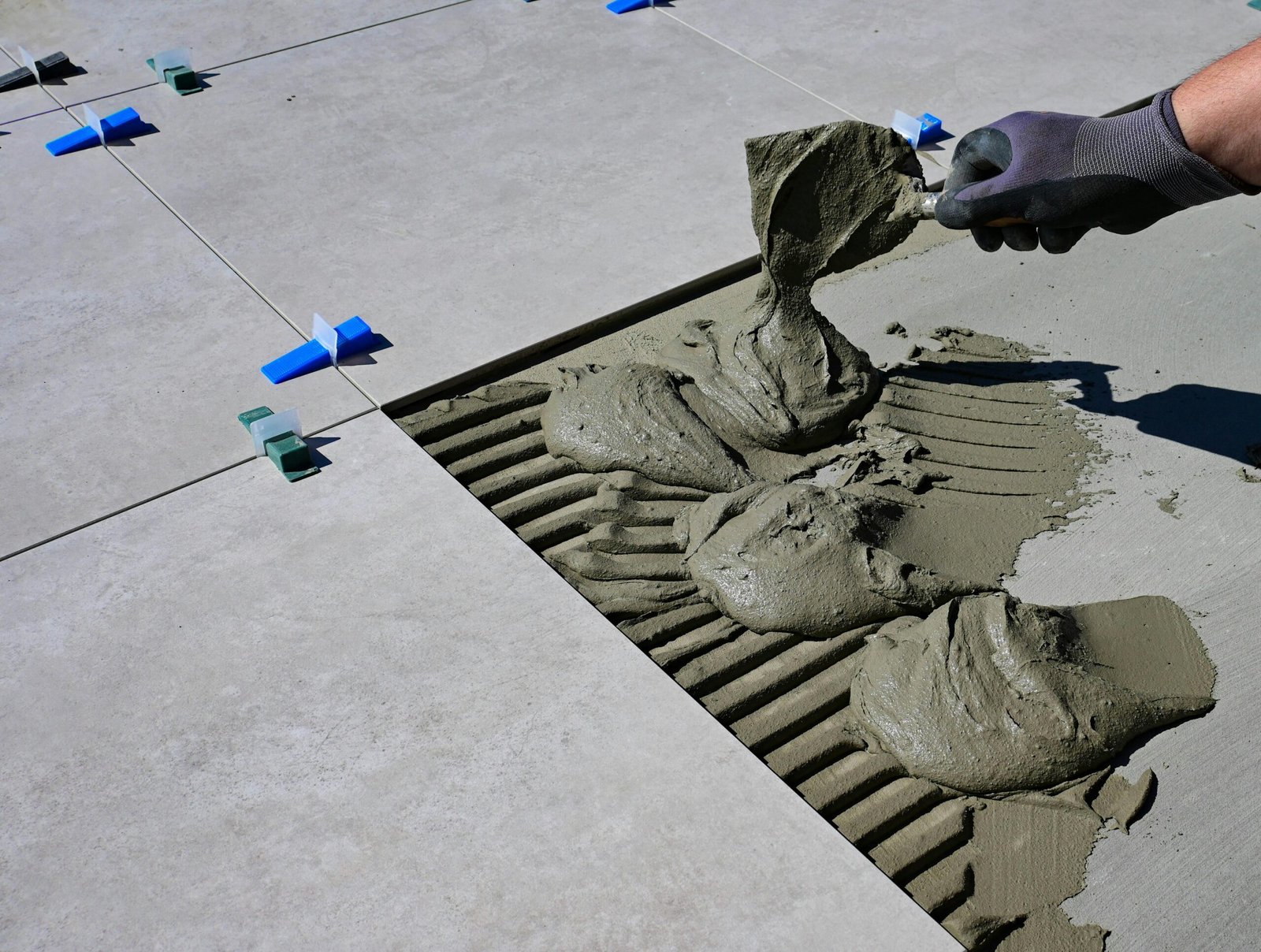
Tile flooring is durable and moisture-resistant but is one of the most labor-intensive flooring options to install.
Average Tile Flooring Costs
- Material cost: $2–$8 per sq ft
- Installation labor: $5–$7 per sq ft
- Total installed cost: $7–$15 per sq ft
Natural stone tiles typically cost more than ceramic or porcelain tiles.
What Affects Tile Installation Cost
- Tile size and material
- Pattern complexity
- Grout type
- Waterproofing requirements
- Subfloor reinforcement
Tile installation requires precise cutting and leveling, which increases labor time and cost.
Subfloor Preparation Costs by Material
Subfloor condition plays a major role in flooring installation costs, regardless of material.
Typical subfloor preparation costs:
- Minor leveling: $0.50–$1.50 per sq ft
- Major repairs: $2–$3+ per sq ft
- Moisture barriers: $0.50–$1 per sq ft
Tile and hardwood generally require the most subfloor preparation, while carpet and vinyl are more forgiving.
Installation Time by Flooring Type
Project timelines vary by material and room size.
- Carpet: 1–2 days
- Vinyl: 2–4 days
- Hardwood: 3–7 days
- Tile: 4–7+ days
Longer installation times often translate to higher labor costs.
Long-Term Maintenance Costs by Flooring Material
Maintenance expenses affect the total cost of ownership over time.
Carpet
- Regular vacuuming and deep cleaning
- Replacement typically needed sooner than hard surfaces
Vinyl
- Minimal maintenance
- No refinishing required
Hardwood
- Periodic refinishing
- Higher long-term maintenance cost
Tile
- Grout cleaning and sealing
- Occasional tile replacement if cracked
Considering maintenance costs helps homeowners evaluate affordability beyond installation.
Which Flooring Material Is the Most Cost-Effective?
Cost-effectiveness depends on how long the homeowner plans to stay in the home and how the space will be used.
- Lowest upfront cost: Carpet
- Best moisture resistance: Vinyl
- Highest long-term value: Hardwood
- Best durability for wet areas: Tile
Balancing installation cost with durability and maintenance needs leads to better long-term value.
Tips for Choosing Flooring Based on Cost and Use
Homeowners can reduce flooring costs by:
- Matching materials to room conditions
- Avoiding unnecessary design complexity
- Preparing the space in advance
- Combining multiple rooms into one project
- Comparing quotes by material, not just total price
Choosing the right flooring material for each space helps prevent costly replacements later.
Final Thoughts on Flooring Installation Costs by Material
Flooring installation costs vary widely depending on the material chosen, with carpet and vinyl offering more affordable options and hardwood and tile carrying higher upfront costs. Each material has its own advantages, installation requirements, and long-term considerations.
By understanding the cost differences between carpet, tile, hardwood, and vinyl flooring, homeowners can make informed decisions that balance budget, durability, and performance. Choosing the right material ensures flooring that not only fits the home’s style but also delivers lasting value.