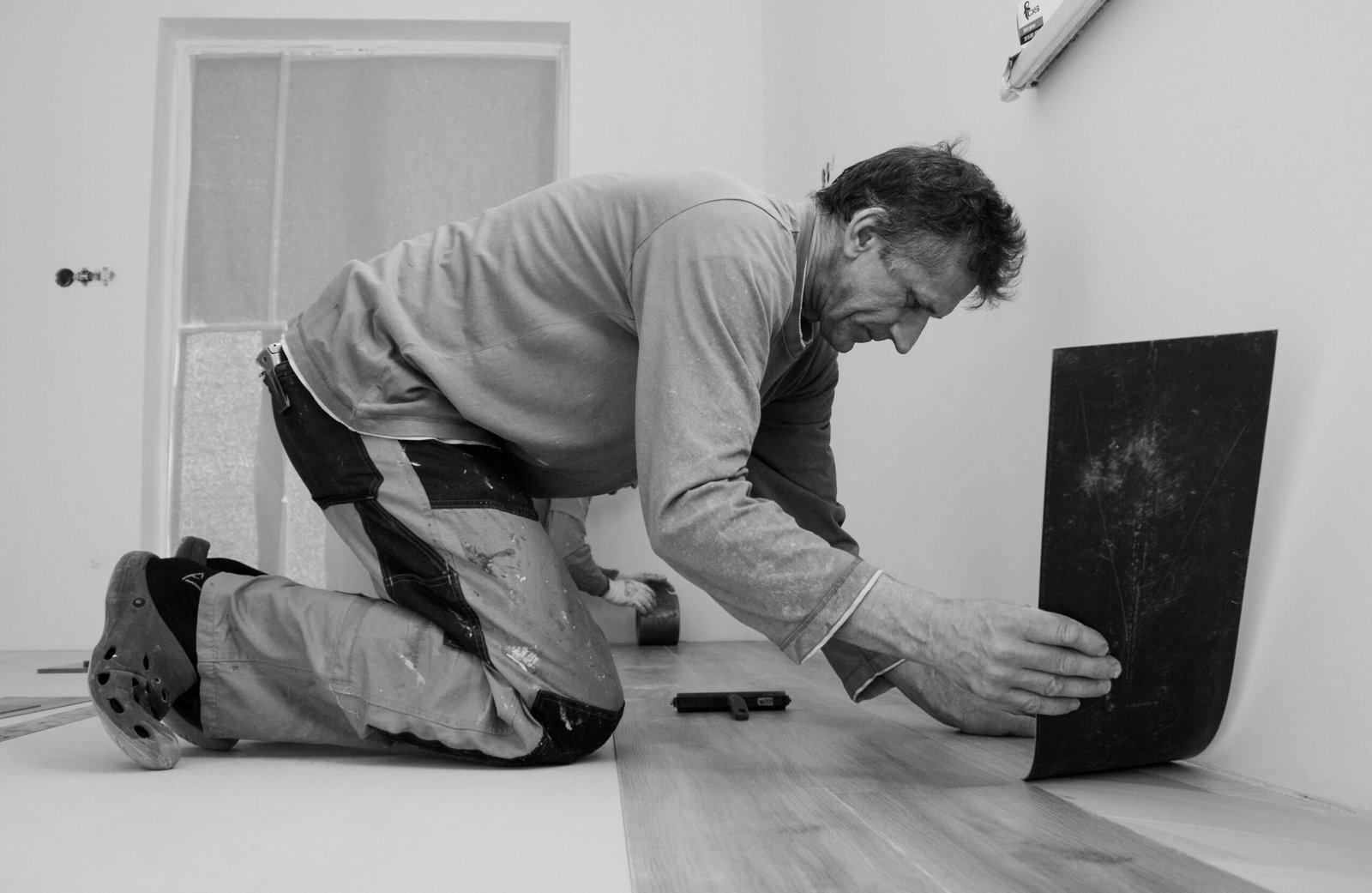
Replacing or installing new flooring is one of the most noticeable upgrades a homeowner can make. Flooring affects how a space looks, feels, and functions on a daily basis, which is why cost is often the first question people ask before starting a project. Flooring installation prices can vary widely depending on material type, room size, and the condition of the existing floor.
Understanding typical flooring installation costs helps homeowners plan realistically and avoid surprises. This guide breaks down average price ranges, explains what influences total cost, and compares common flooring options so homeowners can make informed decisions before moving forward.
Average Flooring Installation Cost
On a national level, flooring installation costs typically range from $3 to $15 per square foot, depending on the type of flooring and the complexity of the installation.
Typical total project costs include:
- Small rooms or single areas: $1,000–$3,000
- Mid-sized homes: $3,000–$7,500
- Larger homes or premium materials: $7,500–$15,000+
These ranges include materials and basic labor but may increase with preparation work or specialty flooring.
Flooring Installation Cost by Material Type
The type of flooring chosen is the biggest factor affecting overall cost. Each material comes with different price points, installation methods, and long-term considerations.
Hardwood Flooring
- Installed cost: $6–$15 per sq ft
Hardwood flooring offers durability and long-term value but comes with higher upfront costs. Pricing depends on wood species, plank width, and installation method.
Laminate Flooring
- Installed cost: $3–$7 per sq ft
Laminate is a budget-friendly option that mimics the appearance of hardwood while offering easier installation and lower material costs.
Vinyl Plank Flooring (LVP)
- Installed cost: $4–$8 per sq ft
Luxury vinyl plank is popular for its durability and water resistance, making it suitable for kitchens and basements.
Tile Flooring
- Installed cost: $7–$15 per sq ft
Tile flooring costs vary based on tile type and pattern. Ceramic tile is typically less expensive than porcelain or natural stone.
Carpet Flooring
- Installed cost: $3–$6 per sq ft
Carpet is often one of the most affordable options upfront, especially for bedrooms and living spaces.
Flooring Installation Cost by Room Type
Room usage and layout can influence installation costs.
- Bedrooms: $800–$2,500
- Living rooms: $1,500–$4,000
- Kitchens: $2,000–$6,000
- Bathrooms: $1,200–$3,500
Rooms with plumbing fixtures, cabinets, or tight corners may require additional labor, increasing total cost.
What Is Included in Flooring Installation Costs?
Flooring installation costs include more than just placing new material on the floor.
Removal of Old Flooring
Removing existing flooring may add:
- $1–$3 per sq ft depending on material
- Additional costs for disposal
Subfloor Preparation
A level, stable subfloor is essential. Preparation may include:
- Minor repairs
- Leveling compounds
- Moisture barriers
Subfloor work can add $0.50–$3 per sq ft to the total cost.
Installation Labor
Labor typically accounts for 40%–50% of total flooring cost. Complex layouts, diagonal patterns, or multiple rooms can increase labor time.
Flooring Installation Cost by Home Size
Home size affects both material and labor costs.
- 1,000 sq ft home: $3,000–$7,000
- 1,500 sq ft home: $4,500–$10,000
- 2,500+ sq ft home: $8,000–$15,000+
Larger homes often benefit from slightly lower per-square-foot labor rates but higher total costs.
Factors That Affect Flooring Installation Costs
Several variables influence final pricing beyond flooring type and square footage.
Floor Layout and Design
Open layouts are easier to install than spaces with many corners, transitions, or stairs.
Installation Pattern
Patterns such as herringbone or diagonal layouts require more time and materials, increasing cost.
Moisture and Environmental Conditions
Bathrooms, basements, and kitchens may require moisture barriers or specialized materials.
Labor Rates
Local labor rates vary significantly by region and contractor availability.
Permits and Building Requirements
Some flooring projects require permits, particularly in condos or multi-unit buildings.
Flooring Installation vs Replacement Costs
Replacing existing flooring is often more expensive than installing flooring in new construction due to removal and preparation work.
- New installation: Lower prep costs
- Replacement projects: Higher labor and disposal costs
Replacement projects typically cost 10%–25% more than new installations.
How Long Does Flooring Installation Take?
Project timelines vary depending on material and home size.
- Carpet: 1–2 days
- Vinyl or laminate: 2–4 days
- Hardwood or tile: 3–7 days
Complex layouts or additional prep work can extend timelines.
Maintenance and Long-Term Cost Considerations
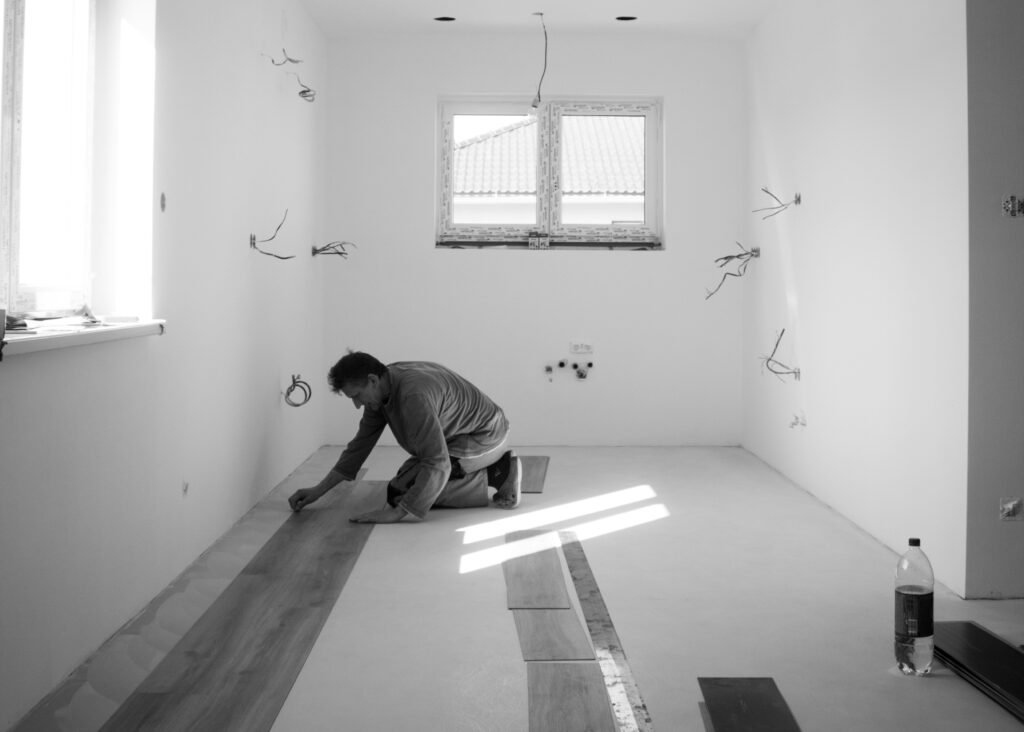
Long-term maintenance costs differ by flooring type.
- Hardwood: Periodic refinishing
- Tile: Grout cleaning and sealing
- Vinyl: Minimal maintenance
- Carpet: Regular cleaning and eventual replacement
Considering maintenance helps homeowners evaluate long-term affordability, not just upfront cost.
Is Flooring Installation Worth the Cost?
New flooring can improve comfort, appearance, and property value. While installation costs can be significant, flooring upgrades often:
- Enhance daily usability
- Improve indoor aesthetics
- Increase resale appeal
Choosing the right flooring balances upfront cost with durability and maintenance needs.
Tips for Managing Flooring Installation Costs
Homeowners can manage costs by:
- Choosing materials suited to room use
- Limiting complex patterns
- Preparing the space in advance
- Comparing multiple estimates
- Scheduling work during slower seasons
Thoughtful planning can help keep flooring projects within budget.
Final Thoughts on Flooring Installation Costs
Flooring installation costs typically range from $3 to $15 per square foot, depending on material choice, room size, and installation complexity. Understanding what influences pricing helps homeowners set realistic expectations and choose flooring that fits both their budget and lifestyle.
By comparing materials, planning ahead, and accounting for preparation and labor, homeowners can approach flooring installation with confidence and clarity.